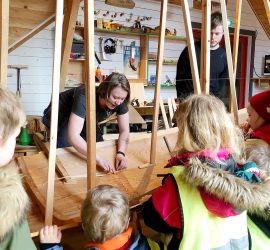
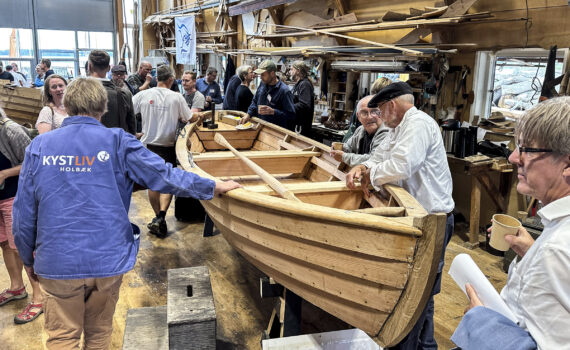
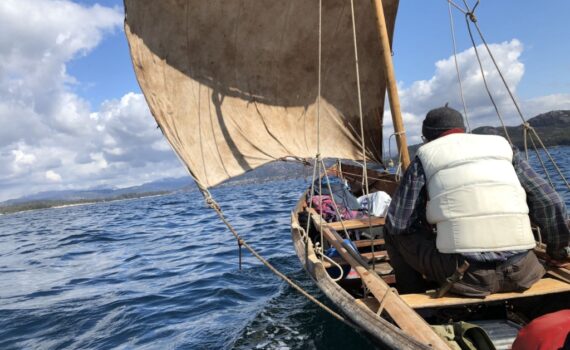
Stad: Hordamuseet på Stend, Bergen. Arrangør: Vestland Fylkeskystlag, Oselvarverkstaden, Forbundet KYSTEN, […]

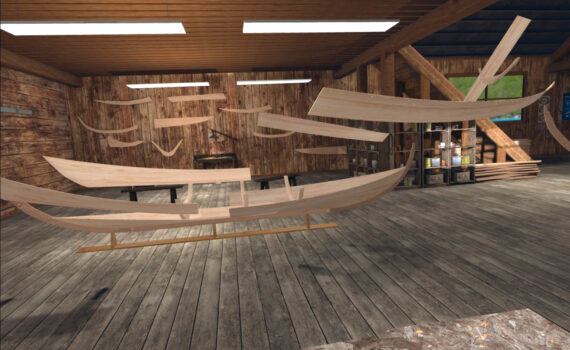

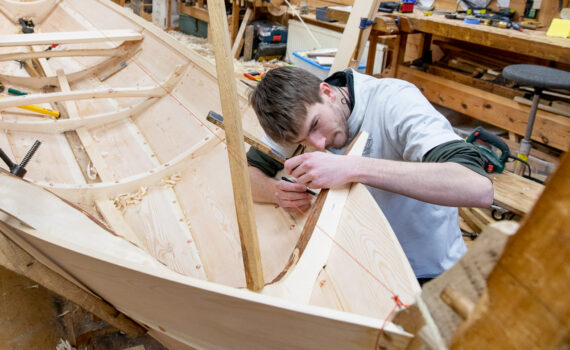
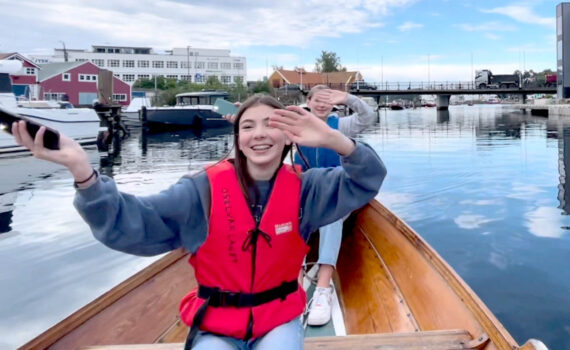


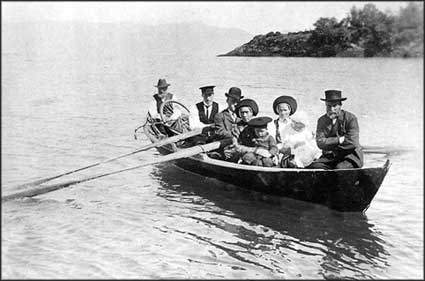
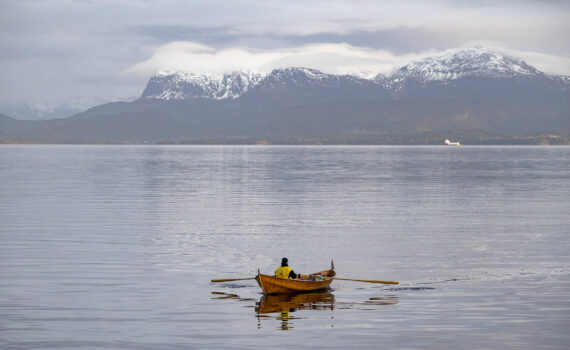
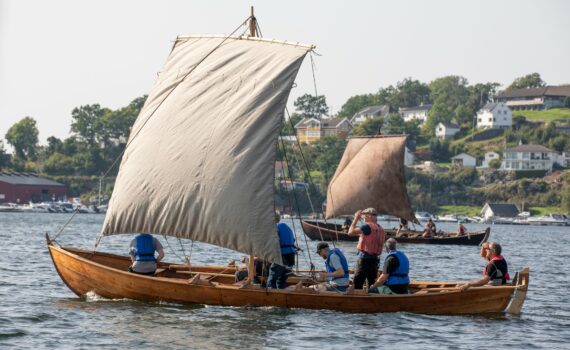
Oselvaren er ein trebåt som var svært vanleg langs sørvestkysten av Noreg i mange hundre år. Båttypen har hatt ein utvikling som går flere tusen år tilbake i tid, og båten viser tydelege likhetstrekk ...
Les meir »Verkstaden er open for publikum mandag til fredag, 13.00 til 15.00 Adressa er: Hamnevegen 41, 5200 Os Ta gjerne kontakt på telefon 966 33 531 før du kjem. Kontor og telefon er betjent, mandag til ...
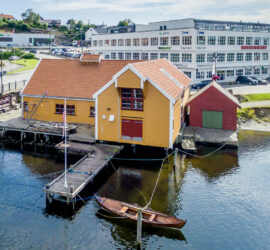
Les meir »Oselvarverkstaden ligg ved Oselvo i Bjørnafjorden kommune. Her tar vi vare på kunnskap om bygging, bruk og reparasjon av Oselvarbåten. I 2016 vart båten og tradisjonen ført på UNESCO si liste over ...
Les meir »Stad: Hordamuseet på Stend, Bergen. Arrangør: Vestland Fylkeskystlag, Oselvarverkstaden, Forbundet KYSTEN, […]

